
Trade Tech Solutions
✓ Curated Resources to facilitate International Trade
✓ AI-powered Intelligence and Connectivity tools
✓ Stand-alone platforms, APIs & Widgets










Solutions
Trade Intelligence
Our Trade Intelligence solutions include a comprehensive set of import-export data published by hundreds of professional sources that are proofed and updated by our team of trade content experts. AI-powered Trade Intelligence services are being introduced in order to provide an optimized UX with high quality results, delivered as a white labeled portal or APIs & Widgets.
35+
Platforms deployed
700,000
Users worldwide
15,000,000
Visits per year
Connectivity
Our connectivity solutions provide a safe place for members of a business community to connect, converse and agree transaction terms with each other; eexpand are the platform provider for the Trade Club Alliance, an international group of banks who link their clients globally. New AI-powered services are being introduced to increase quality of communication, relevance of the matches and improve user onboarding. They delivered as a white labeled portal or APIs & Widgets.
21,000+
Trade Club Members
15
Leading Banks
1M+
Business Matches
AI Trade Pilot
We are using AI to turn Trade Intelligence Resources into an interactive “digital trade assistant”. We propose an International Trade AI Assistant to help companies make informed decisions for international trade.
It offers instant access to rich data content and reduces time to perform tasks while simplifying processes to trade internationally. Within the connectivity service, it facilitates contacts between trading counterparts via improved message flows.
‘AI Trade Pilot’ brings a whole new level of interaction for business clients seeking to prepare and secure international trade transactions.
Sustainable Trade
We are building sustainability features into its Trade Intelligence solutions. We are committed to helping business clients implement sustainability-driven processes in international trade. Whether through climate risk country profiles, CO2 calculators or the future ICC Standard for Sustainable Trade, we are ready to work with clients to help them reach their ‘green targets’.
Back End
Our back-end interfaces provide onboarding capabilities and engagement tools. They offer tracking and analytics on user behaviour for sales and marketing teams, to attract new customers and generate cross-selling opportunities.
700,000
Users tracked
10,000,000+
Events reported to CRMs
60
Serving clients in 60 countries
50+
Clients
20
Years in the business

For Banks, Fintechs
Our white-labelled digital platforms and our Trade Intelligence APIs/Widgets enable banks to expand “Beyond Banking” and improve their digital value proposition for international trade oriented companies.
Discover our Trade APIs and Widgets
For Trade Promotion
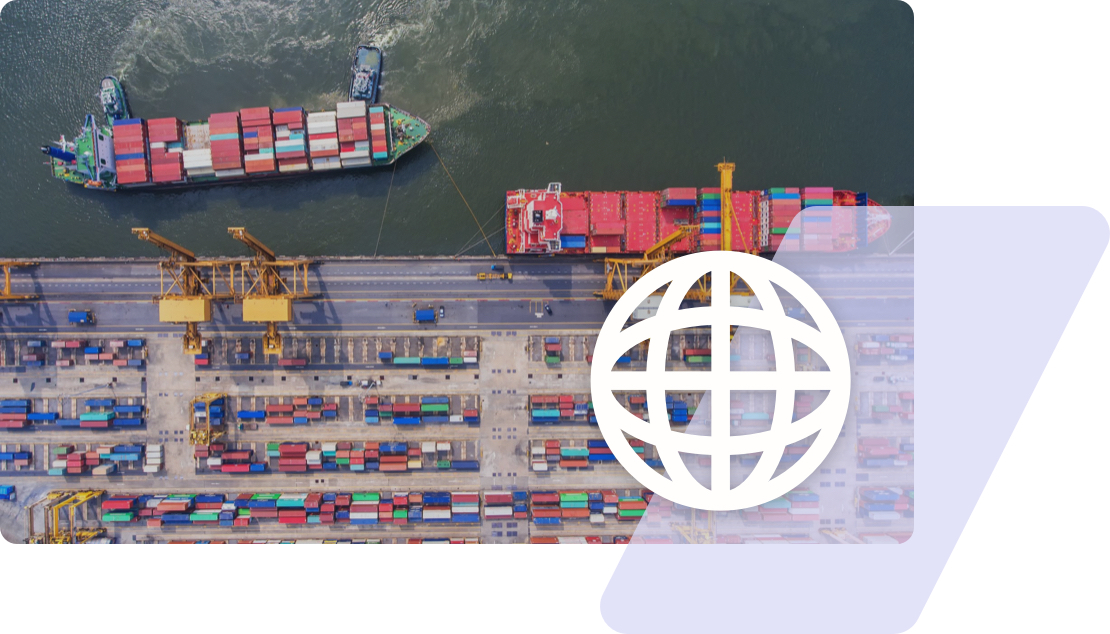
Our market-leading Trade Portal and our Trade Intelligence APIs / Widgets enable international trade promotion organizations to provide companies with tools and resources to expand their business overseas thanks to our comprehensive suite of international trade data.
Discover our Trade PortalDiscover our Trade APIs and Widgets
what drives us
Our value proposition
#1
Facilitate
Business
Overseas
#2
Boost
Brand
Equity
#3
Collect
Marketing
Intelligence
#4
Generate
New
Revenues

contact us
Find out how we can help you